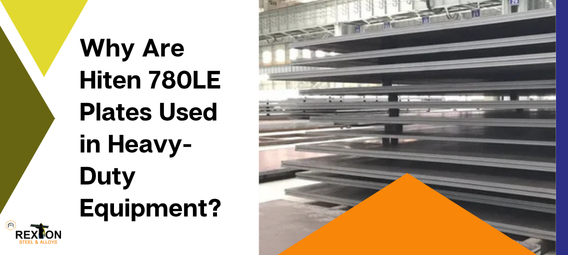
Modern heavy equipment design runs into one recurring conflict: every extra weight of steel cuts into payload, fuel economy and turning radius. High-strength steel plates solve this by carrying more load per kilogram than mild steel ever could. As manufacturers push for lighter, more efficient machines, the Hiten 780LE Plate has become a standard choice for structural components that cannot afford excess mass. With a minimum yield strength of 780 MPa, it allows fabricators to drop plate thickness while holding load capacity steady. Dump truck bodies, crane booms, trailer chassis and excavator arms all use this grade to balance strength with reduced dead weight.
What is Hiten 780LE Plate?
Hiten 780LE Steel Plates are high-strength low-alloy (HSLA) steels, produced by controlled rolling and micro-alloying with elements such as niobium and vanadium. This process refines the grain structure, pushing yield strength far beyond what conventional structural steel offers. Unlike standard mild steel plates, Hiten 780LE achieves its strength without relying purely on carbon content, which keeps the steel weldable and formable even at higher strength levels. The result is a plate that does more work per millimetre of thickness than IS 2062 or similar grades.
Key Mechanical Properties of Hiten 780LE Plates
High Yield Strength
Hiten 780LE delivers a minimum yield strength of 780 MPa, roughly three times that of standard E250 structural steel. The higher threshold means that the plate is resistant to permanent deformation under loads that would cause bending or buckling of conventional steel sections.
Excellent Tensile Strength
The tensile strength is normally 940 MPa to 1100 MPa depending on the plate thickness and heat treatment batch. The difference between the yield and ultimate strength of fabricated structures provides a safety margin before failure under maximum loading.
Good Formability
Despite its strength, Hiten 780LE bends and shapes without cracking when fabricators follow recommended bend radii, usually 3 to 4 times the plate thickness. This formability supports complex profiles in dump bodies and machinery frames.
Weldability Characteristics
The heat-affected zone is maintained stable during welding through the use of micro-alloy strengthening and low carbon content (<0.12%). The preheating requirements are small in comparison to quenched and tempered steels of similar strength, easing the fabrication shop workflows.
Why Does Lightweighting Matter in Heavy-Duty Equipment?
Every tonne removed from a vehicle’s structure becomes a tonne available for payload or fuel savings. Lighter dump bodies and trailers cut diesel consumption per trip and reduce tyre and axle wear over the equipment’s service life. Operators gain higher payload capacity within the same gross vehicle weight limit, which directly improves revenue per haul. Lighter machinery also responds faster during lifting and digging cycles, improving cycle times on site. Maintenance costs drop too, since reduced structural mass lowers stress on suspension, axles and hydraulic mounts.
How Hiten 780LE Plates Help Reduce Equipment Weight?
Ability to Use Thinner Sections
Because Hiten 780LE carries roughly three times the yield strength of mild steel, fabricators can specify plates 30 to 40% thinner for the same load rating. A dump body that needed a 10mm mild steel plate can often shift to 6mm Hiten 780LE without losing structural margin.
Maintaining Structural Integrity
Thinner sections do not mean weaker structures if the basic material compensates with higher strength. The results of stress analysis indicate that the load paths through the Hiten 780LE components are well within the safe limits under repeated impact loading from loading buckets or dumped material.
Optimized Design Flexibility
Engineers are given some latitude to redesign components to meet weight targets instead of minimum gauge limits. This flexibility enables designers to add material where there is high stress, and to remove material in other areas. The overall structure is more efficient than a mild steel build of uniform thickness.
Benefits of Using Hiten 780LE Plates in Heavy-Duty Equipment
Improved Load-Carrying Capacity
Reduced structural weight means the gross vehicle weight allowance can be used for real cargo. For example, an 800kg saving in steel weight of a tipper body can be used to carry the same 800kg as additional payload on each trip, raising load efficiency without exceeding axle limits.
Enhanced Durability and Service Life
Greater tensile strength prevents fatigue cracking caused by the repeated loading cycles typical in mining and construction. Components built from Hiten 780LE hold up against abrasive impact loads that would fatigue thinner mild steel sections far sooner.
Better Resistance to Mechanical Stress
The grade’s strength profile handles point loads and shock impacts from rock, debris and uneven material drops. This resistance reduces denting and structural deformation in dump bodies exposed to harsh loading conditions daily.
Increased Productivity and Efficiency
Lighter equipment cycles faster through load, haul and dump operations. Fuel savings from reduced tare weight compound across thousands of operating hours, while higher payload per trip cuts the number of cycles needed to move the same total tonnage.
Common Applications of Hiten 780LE High Tensile Steel Plate
Dump Truck Bodies
Hiten 780LE forms the structural shell of dump bodies, where reduced wall thickness adds directly to usable payload capacity.
Tippers and Trailers
Tipper bins and trailer floors use this grade to survive abrasive loads like ore, sand and demolition debris without excess plate thickness.
Cranes and Lifting Equipment
Boom sections and lifting arms rely on the strength-to-weight ratio to extend reach without adding counterweight requirements.
Construction Machinery
Excavator buckets, loader arms and bulldozer blades use Hiten 780LE where impact resistance and reduced mass both matter.
Agricultural Equipment
Grain trailers and heavy implement frames benefit from lighter structures that improve towing efficiency behind tractors.
Why Industries Prefer Hiten 780LE Essar Plate?
Heavy engineering buyers favour Hiten 780LE Essar Plate because the grade ships with consistent mechanical properties across batches, verified through mill test certificates for every heat. Quality control at the rolling stage keeps yield strength and chemical composition within tight tolerances, which matters when fabricators design structures around exact strength values. The grade suits demanding fabrication work, including CNC bending, plasma cutting and multi-pass welding without unexpected cracking. Mining, construction and transport equipment manufacturers across India specify this grade for components where failure carries high operational cost.
Factors to Consider When Selecting Hiten 780LE Steel Plates
Load Requirements
Match plate thickness to the actual stress calculations for the component, not a generic gauge assumption carried over from mild steel designs.
Fabrication Process
Confirm bend radii and cutting methods suit the plate thickness selected, since aggressive cold forming on thinner sections raises cracking risk.
Welding Requirements
Check filler metal compatibility and preheat needs for the specific thickness and joint design before committing to a welding procedure.
Operating Environment
Consider the abrasive wear, the changes in temperature and the frequency of impact at the point of application; these will affect the plate thickness and the choice of coating.
Why Source Hiten 780LE Plates from a Reliable Supplier?
Material certification confirms each plate meets the specified yield strength, tensile strength and chemical composition before it arrives at a fabrication shop. Mill test reports and third-party inspection provide quality assurance and reduce the risk of structural failure in safety critical equipment. Full traceability from heat number to delivered plate matters when equipment manufacturers need to track a batch back to its source. Suppliers who maintain stock and offer cutting-to-size services also cut lead times, while technical support helps fabricators choose the right thickness for each application.
Conclusion
Lightweight, high-strength materials now decide how competitive heavy equipment can be on fuel cost, payload and service life. Hiten 780LE Plate delivers a strength-to-weight advantage that lets fabricators cut section thickness without compromising structural integrity. From dump bodies to crane booms, this grade combines durability, weldability and payload efficiency that mild steel cannot match at the same weight. Rexton Steel and Alloys supplies Hiten 780LE Steel Plates with full material certification for fabricators who need consistent, traceable quality.