Aluminum is one of the most versatile metals known to man. It’s lightweight, strong, and corrosion-resistant, making it the preferred material in various industries. One of the most popular types of aluminium used in manufacturing is the 1100 aluminium plate. This metal has a low density and excellent ductility, making it extremely malleable and easy to work with. This blog will examine 1100 aluminium plates, their properties, applications, and benefits.
What are 1100 Aluminium Plates?
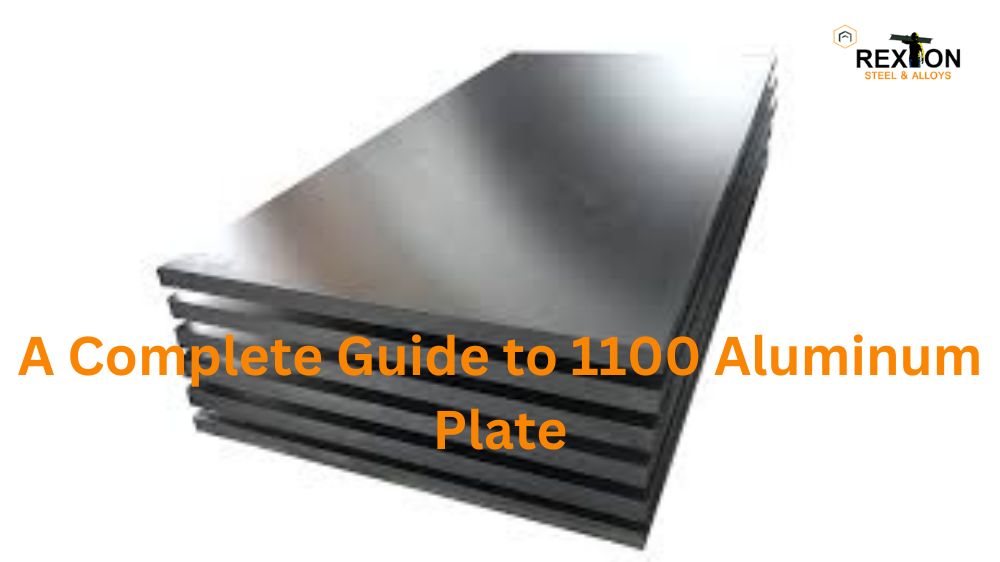
1100 aluminium plate is a commercially pure form of aluminium containing no alloying elements. It features excellent corrosion resistance, and it has excellent ductility as well as electrical conductivity. With its remarkable formability and versatile mechanical properties, the 1100 aluminium plate is ideal for many industrial applications, including HVAC ductwork, automotive components, food containers/wraps, roofing sheets, etc.
Its distinctively dotted surface finish gives it great reflector capabilities when exposed to light – making it perfect for decorative purposes too. 1100 Aluminum’s excellent strength-to-weight ratio makes it particularly advantageous in the marine industry due to its anti-corrosive nature. This popular grade of pure aluminium offers excellent performance at a reasonable cost!
Properties of 1100 Aluminum Plate
1100 aluminium plate is pure aluminium with a minimum aluminium content of 99%. It’s a soft, malleable, lightweight metal with a low density and excellent corrosion resistance. 1100 aluminium plate is also highly ductile and can be easily formed, stamped, and machined. It’s often used in applications that require a high level of formability and weldability, such as in the construction of kitchen utensils, cookware, and lighting fixtures.
Applications of 1100 Aluminum Plate
1100 aluminium plate is used in various industries, including the automotive, aerospace, and construction industries.
Aluminium 1100 plate is used to produce various parts and components, including engine blocks, transmission cases, and structural members.
1100 aluminium plate is often used in the food and beverage industry due to its high level of corrosion resistance.
Manufacturers also use 1100 aluminium plates to produce various consumer goods, such as cookware, utensils, and appliances.
1100 aluminium plates can also be used for various other applications, such as electrical conductors and heat exchangers.
Benefits of 1100 Aluminum Plate
Lightweight
Aluminum is one of the lightest metals in the world, making it ideal for use in various applications where weight is a concern. For example, aluminium is often used in the construction of aircraft and spacecraft due to its low weight.
Corrosion Resistant
Aluminium is also highly resistant to corrosion, making it ideal for outdoor applications or environments where other metals would quickly succumb to rust or other forms of corrosion.
Conductive
Aluminium is an excellent conductor of electricity, making it ideal for use in electrical applications. Aluminium is also used in the construction of power lines and electrical wiring.
Reflective
Aluminum has a high degree of reflectivity, making it ideal for use in reflective surfaces such as mirrors and solar panels.
Manufacturing Processes for 1100 Aluminum Plate
Manufacturers use a variety of processes, including hot rolling, cold rolling, and extrusion, to manufacture 1100 aluminium plates. Hot rolling involves heating aluminium ingots to high temperatures and then rolling them into thin sheets. Cold rolling involves rolling aluminium sheets at ambient temperatures to improve surface finish and dimensional stability. Extrusion involves forcing aluminium through a die to create a specific shape. The choice of manufacturing process depends on the desired properties and the application of the finished product.
Conclusion:
In conclusion, the 1100 aluminium plate is a versatile and reliable material with excellent properties, making it ideal for use in various applications. Its lightweight, ductility, and corrosion resistance make it perfect for use in constructing aircraft, electrical equipment, window frames, and gutters. Its use has also expanded into the food and medical industries due to its non-toxic nature. Manufacturers produce 1100 Aluminium plates using a variety of processes, including hot and cold rolling and extrusion, based on the desired properties and application of the finished product. With this guide, you now better understand the 1100 aluminium plate and why it’s such a popular material in manufacturing.